Skip to product information
1 of 1

Cardiopulmonary Exercise Test

Cardiopulmonary Exercise Test

No Referral Needed. No Waiting List. Results within 24 hours.

Medical-Grade CPET Expertise You Can Trust
At the London Heart Centre, CPET testing is delivered by expert clinical exercise physiologists, supported by consultant cardiologists. Using gold-standard equipment, we provide accurate, reliable data and a clear, personalised summary of your fitness profile, training zones, and cardiorespiratory health.

What it is a CPET?
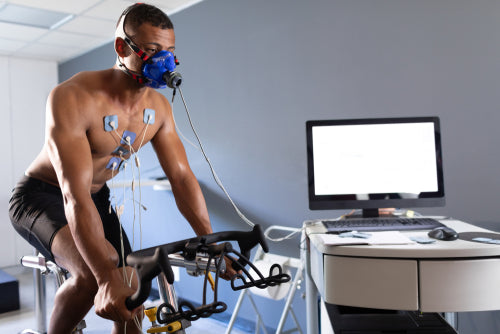
A CPET is a progressive exercise test performed while wearing a facemask to measure breathing, oxygen use, and cardiovascular response in real time. It directly measures VO₂ max and includes continuous ECG and blood pressure monitoring, alongside lung function testing (spirometry), to provide a comprehensive assessment of your cardiorespiratory health and exercise performance.

Why do a CPET? 
CPET shows how your heart, lungs, and muscles work together during exercise, identifying exactly what limits performance and quantifies precise training zones. It replaces guesswork with personalised, data-driven guidance — and is also a clinically validated test used to assess exercise tolerance and cardiorespiratory health. 

Who can do a CPET?
CPET is suitable for anyone aged 18 and above, from recreational athletes to elite performers. The test is safe and can be conducted on individuals with existing health conditions. When you book, we’ll review your medical history to ensure the test is appropriate and tailored to your safety.

Your Test Results
Full results will be available within 24 hours of completing the test – they will be sent directly to you and can also be accessed by your requesting doctor. The full report includes a written summary of your test, highlighting key findings, as well as graphical displays of your test data.

Key outputs:

  • VO2 max
  • Ventilatory thresholds
  • Training zones
  • Lung function (spirometry)
  • Electrocardiography (ECG)

Frequently Asked Questions

What's the difference between a V02 max test and a CPET?

VO2 max tests typically include:

  • Sports scientist or exercise physiologist supervision
  • 3-lead heart rate monitoring (basic rhythm only)
  • Fitness metrics: VO2 max, training zones
  • No medical interpretation

Our medical CPET includes:

  • Specialist cardiac scientist from leading cardio-respiratory centre
  • Full 12-lead diagnostic ECG (detects ischaemia, arrhythmias)
  • Consultant cardiologist review and medical interpretation
  • Complete cardiovascular diagnosis
  • Report suitable for medical, pre-operative, insurance, legal purposes

In summary: V02 max tests measure fitness. Medical CPET diagnoses cardiovascular health.

What happens if you find something abnormal?

This is exactly why medical-grade testing matters. If we detect any concerning findings:

Immediate response:

  • Cardiac specialist explains findings immediately
  • Cardiologist reviews same day or next working day
  • Clear next steps provided

You're already under specialist care:

  • No waiting for GP referrals
  • No uncertainty about what to do next
  • Onward investigations arranged by our team
  • Follow-up consultation included

Is it covered by Insurance?

Most major private medical insurance policies cover medical-grade CPET when clinically indicated.

We are recognized providers for:

  • BUPA
  • AXA PPP Healthcare
  • Vitality
  • Aviva
  • Cigna
  • WPA

Contact us before booking and we'll verify your coverage - this might cost you nothing.

I'm young and healthy - do I really need a CPET?

Probably not - if you meet ALL of these criteria:

  • Under 35 years old
  • Completely asymptomatic (no chest discomfort, palpitations, breathlessness)
  • No family history of cardiac disease
  • Just want training data for recreational fitness
  • You're comfortable with the small risk of missing something

You SHOULD invest in medical-grade testing if:

  • Over 40 (even with no symptoms)
  • ANY symptoms during exercise
  • ANY cardiac history (personal or family)
  • Results matter for surgery, insurance, career, or legal purposes

Remember: Hidden cardiac conditions don't respect age. We've detected serious arrhythmias in "healthy" 30-year-olds.

View full details
  • Vitality
  • AXA
  • Aviva
  • Bupa
  • Allianz
1 of 6